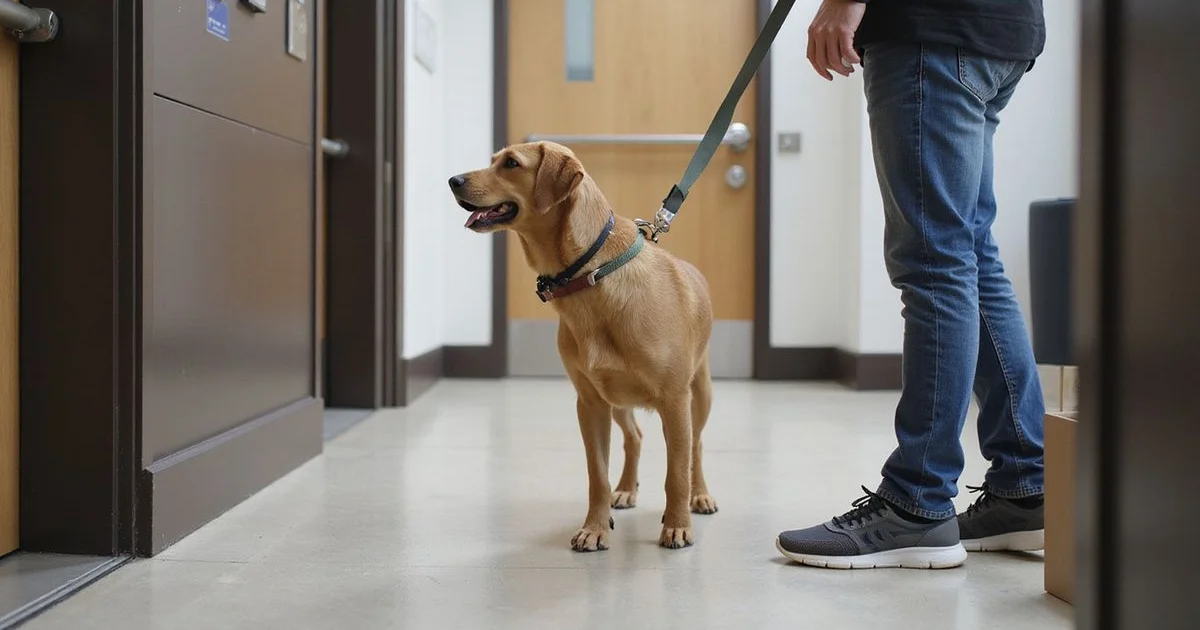
How do I choose a new apartment with a dog or cat?
You’re moving with a pet, and the wrong building means a surprise fee or a no at the application. Pets-first means you check the pet policy before you fall for a floor plan. It’s how we approach every shortlist from our pet-friendly new apartments page, and it takes five steps.
Step 1: Check the published limits
Start with the hard rules. Each community publishes its own:
- Breed restrictions. Many communities list breeds they don’t accept.
- Weight limits. Per pet, or a total for all pets.
- Number of pets. Two is common, but not universal.
- Pet types. Dogs and cats are standard; others vary.
If your pet doesn’t fit, move on. We list limits as each community publishes them.
Step 2: Add the pet costs
Pet costs come in three forms. Only the monthly one shows up every month.
| Cost | When | Where we put it |
|---|---|---|
| Pet rent | Monthly, usually per pet | True monthly |
| Pet fee | One-time | Cash to move in |
| Pet deposit | One-time, may be refundable | Cash to move in |
Our guide on pet costs explains each one and how to read the pet addendum.
Two pets, double the math
Most pet rent and fees are per pet. Two dogs can double the monthly add-on, so check both before you compare buildings.
Step 3: Look at the building for your pet
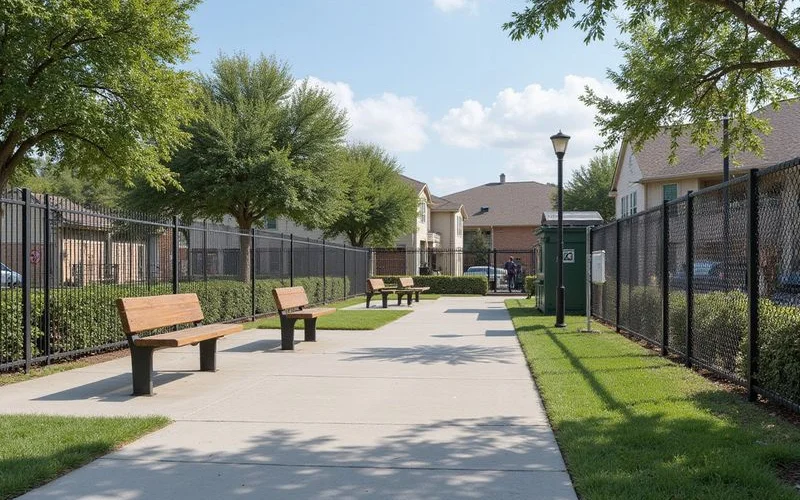
- Dog park or dog run on site, and how far from your unit
- Ground-floor or near-exit units for quick walks
- Elevator access in mid-rise buildings
- Pet washing station, if you’ll use it
- Nearby trails or green space for longer walks
- Flooring that holds up to claws and accidents
Step 4: Consider a build-to-rent home
If you have a big dog or more than one, a build-to-rent home with a fenced yard may fit better. Yard rules still apply, like waste pickup and no digging. Our page on build-to-rent homes lists those communities.
Step 5: Read the pet addendum before you sign
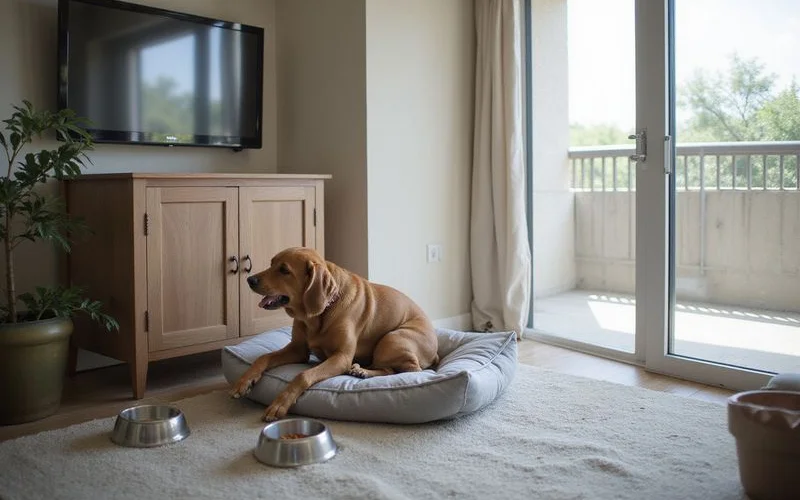
The pet addendum sets the rules, the costs and what happens at move-out. Look for:
- Pet rent, fee and deposit, per pet
- Whether the deposit is refundable and what can be deducted
- Rules on noise, leashes and waste
- What happens if you add a pet later
A note on assistance animals
Assistance animal requests are reasonable accommodation requests handled by each community under the Fair Housing Act and its own process. Trained service dogs pay no pet fee or deposit under Texas Human Resources Code §121.003(h). We don’t ask about disability and don’t give legal advice; we connect you with the community’s process.
Cats have their own checklist
Cats don’t need a dog park, but a few things still matter:
- A spot for the litter box with ventilation, like a laundry closet or bathroom
- Window sills or ledges where a cat can sit
- Screens on windows that open
- Carpet versus hard floors for scratching and cleanup
Some communities charge less pet rent for cats than dogs. Check the pet policy for both.
Pets and renewals
Pet rent usually continues at renewal. If you add a pet mid-lease, expect a new pet addendum and possibly a new fee. Plan pet costs into year two, the same way you plan base rent.
How do we help?
Send us your pets’ types, number and weights, plus your move date and all-in budget. We’ll check every policy, add pet costs to the bill, and read the pet addendum with you, the same day during hours.