How do I choose a new apartment by my drive?
You pick areas based on drive time, route options, and toll costs before you even look at a single building. This commute-first strategy is the fastest path to a shortlist for new apartments near work.
We know that a painful drive drains your energy and your wallet.
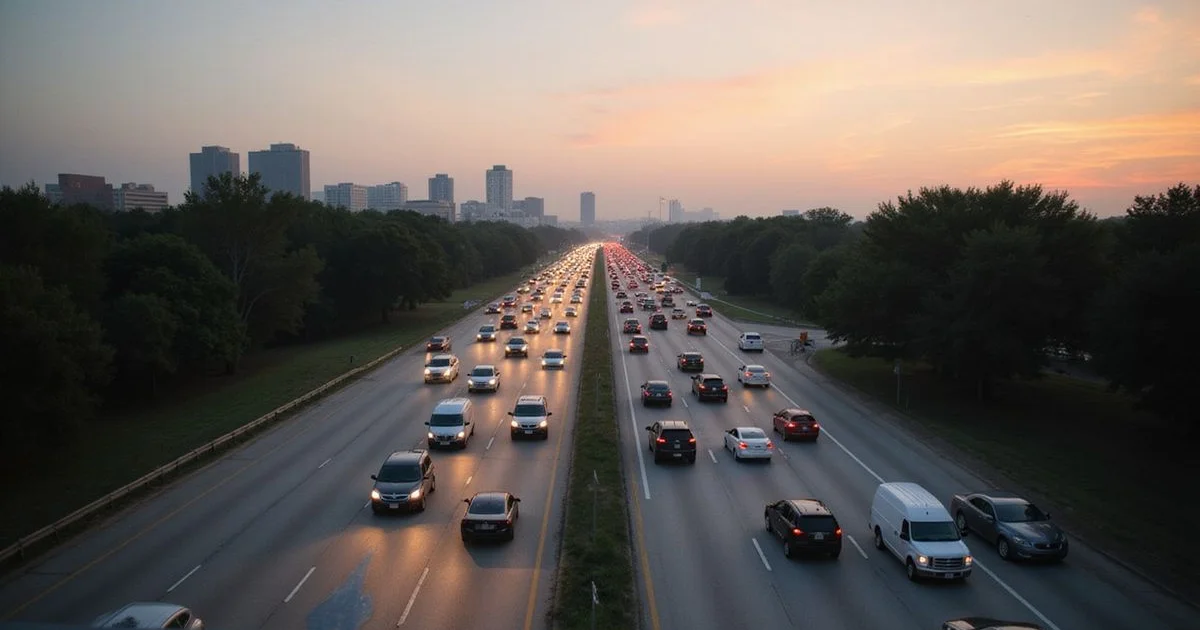
A 2026 study from the Texas A&M Transportation Institute found the average Houston driver wastes 77 hours a year just sitting in traffic. That lost time translates directly into lost productivity for busy professionals.
Our professional service team uses a specific formula to map out these routes and avoid gridlock. When you choose apartment by commute houston, traffic becomes much more manageable. Finding the right location saves you from a miserable daily drive.
Step 1: Name your job anchor
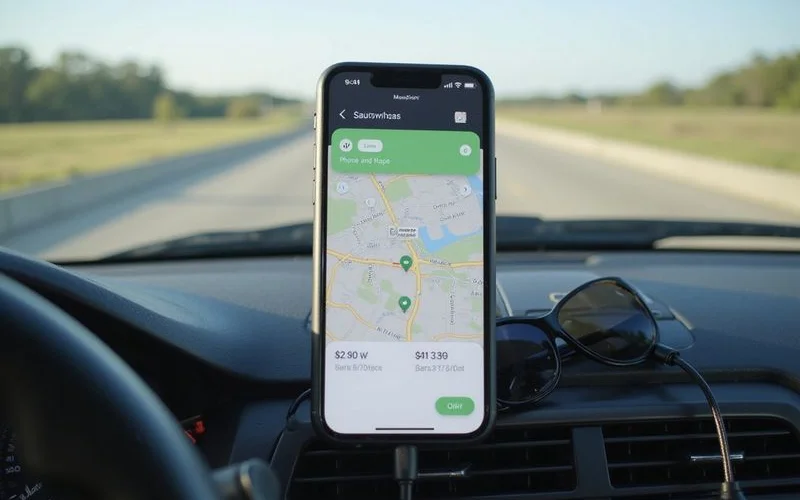
Write down your exact work address and your usual start and end times to define your job anchor. This anchor point is the absolute center of your location search.
We map hundreds of routes to major employment hubs every month. Typical anchors include the Texas Medical Center, the Energy Corridor, Park Row, the ExxonMobil campus, Chevron Downtown, IAH, NASA JSC, and the Ship Channel.
A physical address alone is not enough data for an accurate search. Your daily schedule changes the reality of your drive dramatically.
Consider these specific shift factors:
- Peak arrival windows: The ExxonMobil campus in Spring sees heavy traffic clustering between 7:00 AM and 8:30 AM.
- Downtown density: Chevron Downtown employees face unique street-level delays just entering parking garages at 8:45 AM.
- Medical center rotations: Texas Medical Center shifts often start at 6:00 AM or 7:00 PM, avoiding traditional rush hours entirely.
Our process always factors in these timing details. If you have two anchors, like a partner’s job or a school drop-off, write both addresses and times down.
Step 2: Draw a commute ring
Decide the longest drive you will accept on a normal day, then list areas with new builds inside that radius. Free-flow minutes represent the absolute floor of your commute time because they assume zero traffic.
Our guide on how to read commute times explains why we use this baseline metric. Rush-hour drives run much longer than free-flow on the segments that back up every weekday.
We never guess a rush-hour number for you. Instead, the baseline floor helps you test the drive yourself at your real start time.
The latest 2026 data highlights severe choke points across the city that will shatter a free-flow estimate:
- The West Loop bottleneck: I-610 between the Katy Freeway and the Southwest Freeway remains the most congested segment in Texas.
- The Katy Freeway corridor: This stretch carries incredibly long average delays for suburban commuters heading downtown.
- The I-45 squeeze: Traffic frequently stalls heading north out of downtown during the evening rush.
Our top advice before signing a lease is to drive the route yourself at your actual commute time. You can also check a live map at that exact hour on a weekday to see the real-world delay.
Name the slow spots
For each route, we name the segments the Texas A&M Transportation Institute (TTI) lists as congested. That tells you where your morning usually stalls, which a single number cannot convey.
Step 3: Compare route and toll
Look at the specific route you will drive for each area and check whether it requires a toll. Comparing the free route to the toll route gives you a complete picture of your monthly transportation budget.
From Fulshear to the Galleria, tolls ran about $219 a month on Oct 25, 2026. Our guide on tolls and rent shows how to add these exact EZ TAG fees to your monthly housing bill.
Sometimes an untolled route takes a few more minutes but saves real money. Taking Westheimer Road instead of the Westpark Tollway might add 25 minutes to your trip, but it keeps that $219 in your pocket.
We always show you both the tolled and untolled options. The toll road is sometimes worth the cost to protect your time and sanity.
| Route Option | Time Impact | Monthly Cost Impact |
|---|---|---|
| Westpark Tollway (Tolled) | Fastest consistent time | Adds roughly $219 |
| Westheimer Road (Untolled) | Adds up to 25 minutes | $0 toll fees |
Our team helps you weigh these daily costs against the rent price.
Step 4: Add parking and transit
Compare the cost of parking at work with the cost of transit if you commute to the TMC or Downtown. Factoring in these extra expenses gives you the true cost of living in any specific building.
Downtown Houston monthly parking garage rates range from $100 to $250 in 2026. Prime spots closer to major office towers run at the top of that scale, while lots further out sit near $95.
Our page on new apartments near transit lists buildings by stop to help you find alternatives. The METRORail Red Line serves the TMC directly, and living near a stop can eliminate your parking costs entirely.
Houston METRO introduced the new RideMETRO fare system in 2026 to simplify this choice:
- Base fare: A standard local ride remains just $1.25.
- Built-in rewards: The system automatically grants one free ride after every 10 paid trips.
- Monthly savings: A regular transit commuter spends drastically less than a downtown driver paying for a garage spot.
We highly recommend pricing out a monthly transit habit versus a parking contract. Swapping a $200 parking space for a cheap transit routine frees up serious cash for your apartment budget.
Step 5: Shortlist buildings inside the ring
Filter your options down to the specific areas inside your commute ring and compare the true monthly costs. A proper comparison must include the base rent plus your calculated tolls and parking fees.
We always run these numbers side-by-side for our clients. A building with a rent of $1,600 that requires $219 in monthly tolls is actually more expensive than a $1,750 apartment on a toll-free route.
Save up to four properties that meet your budget criteria and send them to us for review. This shortlisting process prevents you from wasting weekend hours touring buildings that look cheap online but cost a fortune to commute from.
| Apartment Option | Base Rent | Monthly Tolls | True Monthly Cost |
|---|---|---|---|
| Option A (Suburbs) | $1,600 | $219 | $1,819 |
| Option B (Closer In) | $1,750 | $0 | $1,750 |
Our true-cost calculation proves that living closer to work often saves money. Taking the time to do this math secures the best commute houston suburbs can offer without hidden budget traps.
Two anchors in one household
Start by marking both job addresses on a map if two people in your home commute to different locations. Finding a strategic middle ground ensures neither person suffers an extreme drive.
We look for neighborhoods positioned with dual access points. A home in the Houston Heights, for example, provides fast access to I-10 for an Energy Corridor worker while keeping the other partner close to Downtown.
Evaluate these variables to find the perfect compromise:
- Total household time: A slightly longer drive for one person can give the household a better combined commute.
- Shift schedules: Write down each person’s exact start and end time.
- Off-peak travel: If one partner commutes at 6:00 AM, they will bypass the worst morning gridlock entirely.
Our mapping tools overlay both schedules to pinpoint these optimal shared locations. Different shifts can make an area work beautifully even if it looks too far on paper.
Think about the second trip
Factor in your everyday errands because your work commute is not the only drive you make. Consistent trips for basic needs quickly add up to significant mileage.
Data from transportation advocates like Link Houston shows that commuting represents only about one out of every five trips a person takes. The other 80% of your driving hours go toward daily life.
We remind clients to map out these frequent secondary destinations:
- Grocery runs: Distance to a major supermarket like H-E-B.
- Fitness routines: Proximity to your specific LA Fitness or yoga studio.
- Family duties: Daily school drop-offs or weekly visits to relatives.
When two areas look identical on the commute metric, having these amenities nearby will easily break the tie. You might search online for an apartment near my job houston, but having a great grocery store next door makes that location truly perfect.
How do we help?
Send us your exact job address, start and end times, move date, and all-in budget to get started. A professional analysis of these details takes the guesswork out of your search.
Our team will take your criteria and produce a complete, personalized commute strategy. This comprehensive review easily saves you 10 to 15 hours of frustrating DIY mapping.
You will receive a clear breakdown that includes:
- Mapped commute rings: Showing exactly what areas fit your timeline.
- Slow segment warnings: Highlighting where traffic stalls on your specific route.
- True-cost pricing: Adding monthly tolls directly to the apartment base rent.
We line up your apartment tours on one side of town, all on the same day, during standard hours.
Reach out today with your details, and take the stress out of your move.