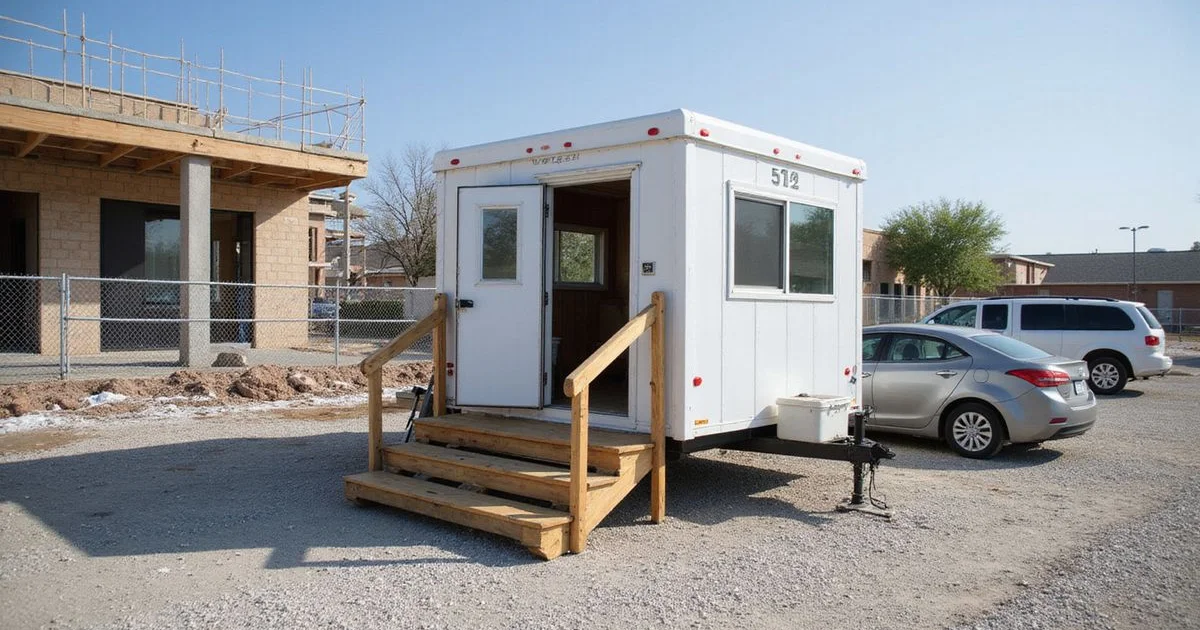
How does pre-leasing a new apartment work?
You’d like to reserve a unit in a building that isn’t open yet. That’s pre-leasing, and it usually comes in two steps: a reservation now, and a lease closer to opening. Buildings in this stage are on our opening soon page. Here’s how the commitments work, and what to get in writing first.
Reservation vs. lease
| Reservation agreement | Lease | |
|---|---|---|
| What it does | Holds a specific unit or floor plan | Sets the rent, special, term and fees |
| Money involved | Often a holding deposit | Deposit, fees, first rent |
| When you sign | Before opening | Usually closer to opening |
| How binding | Depends on its terms | A binding contract |
A reservation agreement holds a unit for you. It’s not a lease. It should say how long the hold lasts, what happens to your deposit, and what happens if the date changes.
What about the holding deposit?
A holding deposit shows the community you’re serious. Whether you get it back depends entirely on the written terms. Common versions:
- Refundable if you cancel by a deadline, or if the building is delayed
- Applied to your deposit or first rent once you sign the lease
- Nonrefundable once you’ve been approved
Get the terms in writing before you pay. If they’re not written down, assume they won’t protect you. Our guide on cash to move in shows how a holding deposit fits with the other day-one costs.
Ask about the special in writing too
If the reservation comes with a special, ask whether it’s locked in or can change by the time you sign the lease.
What if the date changes?
Construction dates shift. A good reservation and lease answer these questions:
- If the opening slips, can I cancel and get my deposit back?
- Is there a date after which I can walk away?
- Will you offer interim housing, a transfer to a finished unit, or a credit?
- Who tells me about a change, and how much notice will I get?
We ask for these answers in writing before you pay.
How do I line it up with my current lease?
Start from your lease end. If the opening estimate is close, plan a backup building that’s already leasing, or ask your current community about a short month-to-month extension. Our guide on whether to pre-lease or move now walks through that choice.
What should I get in writing?
- The unit number or floor plan you’re holding
- The holding deposit amount and every refund rule
- The special, and whether it’s locked
- The estimated first move-in date and the date you were told
- The delay terms, including any cancel date
Red flags in a reservation agreement
Watch for terms like these before you pay:
- No date after which you can cancel and get your money back
- A holding deposit described as nonrefundable “for any reason”
- No mention of what happens if the opening slips
- A special described as “subject to change” until the lease is signed
- A unit number left blank or marked “to be assigned”
None of these alone means you shouldn’t reserve. They mean you should ask for clearer terms in writing first.
How alerts help
With your consent, we’ll alert you when a saved building confirms its opening date, changes its special, or opens a new phase. Alerts come once a day at most. That way you hear about a date change early, while there’s still time to adjust.
How do we help?
Send us your lease end, move date and budget. We’ll get each building’s reservation terms in writing, compare specials with buildings already leasing, and set alerts for date changes with your consent, the same day during hours.