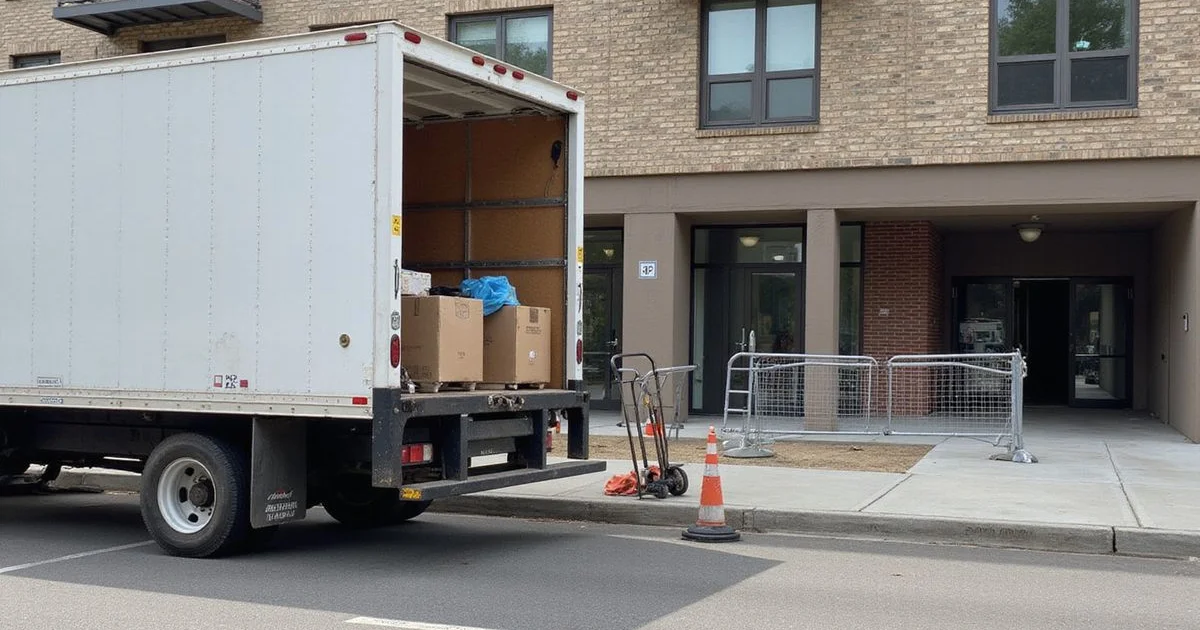
What happens if a new apartment isn’t ready on move-in day?
We see this exact situation constantly in the leasing industry, where a new apartment not ready move in date leaves you stranded while the moving trucks are waiting. A delayed opening happens frequently as builders wait on final municipal inspections. The good news is that most residential contracts anticipate these hiccups.
Our team tracks these shifts closely, especially for buildings on our opening soon list and beyond.
Let’s look at the contract terms that dictate your next steps and explore practical ways to respond.
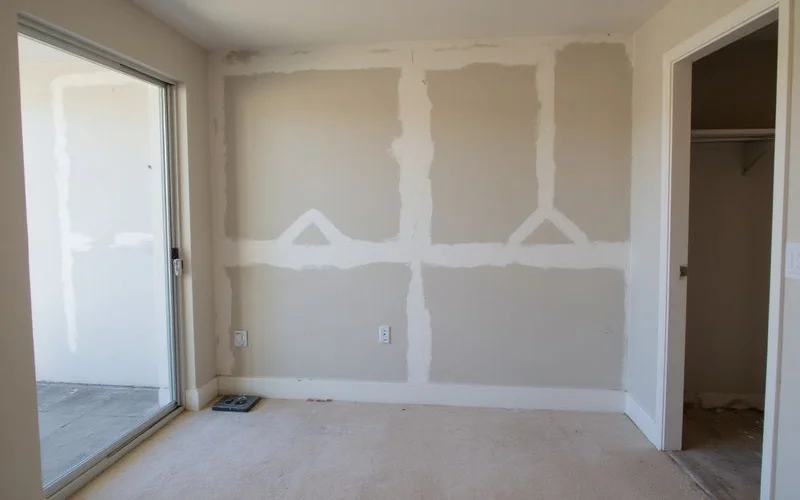
The delay clause decides
Most new-construction leases and reservation agreements include a specific clause for an apartment move in delay. We review hundreds of these documents, and they typically outline exactly what happens if the keys are not ready. Standard contracts from organizations like the National Apartment Association usually cover a few core areas. This legal language dictates everything from financial compensation to your exit strategy.
| Term | What it can say |
|---|---|
| Notice | How much warning you get about a delay |
| Rent | Whether rent starts on the original date or the actual one |
| Remedies | Interim housing, a transfer, a credit, or none |
| Cancel right | Whether you can walk away after a set date |
| Deposit | Whether your holding deposit comes back if you cancel |
Our biggest piece of advice is to read this section carefully before you sign any paperwork. Vague language should prompt you to ask for clearer terms in writing. State laws also provide backup protection, such as Washington State’s RCW 59.18, which allows tenants to declare a material breach if a unit is not delivered move-in ready.
We put together a comprehensive guide on pre-leasing terms that covers the reservation side in detail. Data from the real estate sector shows that only about 5 percent of delayed contracts actually result in cancellation. Most situations reach a manageable compromise with a bit of negotiation.
What communities sometimes offer
Our experience shows that when a date slips, communities often publish a menu of options for affected residents. These offers vary wildly between management companies. Treat these as possibilities to ask about, rather than guaranteed promises:
- A transfer to a finished unit in an earlier phase
- Interim housing or a hotel credit for a short gap
- A rent credit for the days you couldn’t move in
- A cancel right with your deposit returned
We ask what each community offers before you sign, and again when a delay happens. A great benchmark for negotiating a hotel credit is the 2026 U.S. General Services Administration (GSA) standard per diem rate. This federal standard allocates $178 per day for basic lodging and meals, giving you a firm number to reference during discussions.
Why delays happen
We see new buildings open under certificates of occupancy, often phase by phase. A late inspection, weather, or a supply issue can push a phase by weeks. That exact process is detailed in our guide on the lease-up timeline.
Plan for overlap before it’s a problem
Our strategy for avoiding major stress always starts with early planning. A proactive approach is the best fix for a new construction delay apartment scenario if your opening estimate sits uncomfortably close to your current lease end. Current market data from 2026 shows that a month-to-month lease extension typically carries a 15 to 30 percent rent premium over a standard term.
- Ask your current community about a month-to-month extension, and what it costs
- Line up a backup building that’s already leasing
- Book movers with flexible dates if you can
- Keep important items packed separately in case you need short-term storage
We recommend budgeting an extra $300 to $500 for that premium just in case you need an extra thirty days. Securing a backup building gives you immense leverage if the primary property stalls. A flexible moving company will save you hundreds of dollars in rescheduling fees.
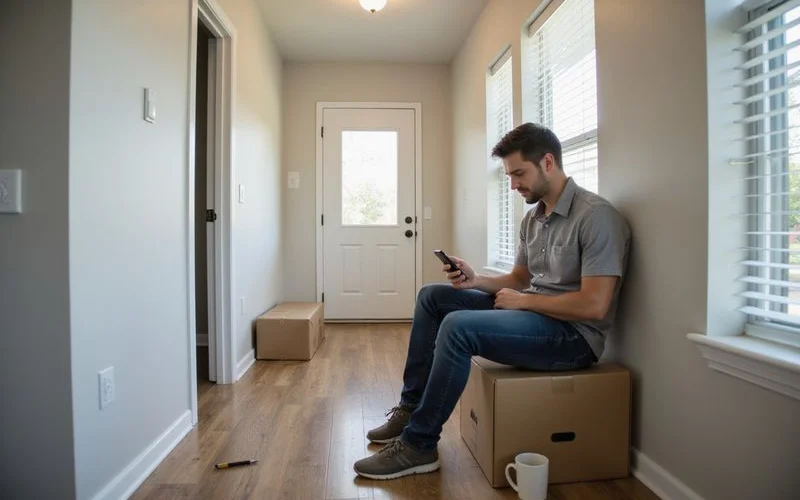
What we do when a date slips
Our client support process kicks into high gear the moment a building pushes your date. The first step involves checking the local municipal building portal to verify the actual status of the Certificate of Occupancy. This raw data tells us if the delay is a minor paperwork issue or a major construction hurdle.
We then write to the community for you to ask what changed, the new estimate, and what they will offer under the delay terms. The management team receives a formal request for your options laid out side by side. This report includes your backup building’s current special and true monthly cost for an objective comparison.
Our team helps you move quickly on the backup property if you decide to cancel. Prompt action often secures the best alternative units before other delayed renters claim them. The original property stays on our radar if you decide to wait, and follow-up messages go out weekly until the new keys are finally confirmed.
What to say when a date slips
We suggest sending a short, written reply if you get delay news directly from the property. A documented email trail prevents miscommunication later on. Be polite but highly specific with your questions:
- What is the new estimated move-in date, and how firm is it?
- What does my lease or reservation provide for this delay?
- Can I transfer to a finished unit, and at what price?
- If I cancel, when will my deposit be returned?
Our standard advice is to send this inquiry through the resident portal and by direct email. Creating a dual record ensures the management team cannot miss the correspondence. Forward that sent email directly to your representatives to keep everyone in the loop.
We will follow up with the community and compare your options against your backup building. Negotiating for a 30-day cancellation window gives you a clear exit date. A clear paper trail is your best defense against lost holding deposits.
Storage and temporary housing tips
Our research into 2026 moving expenses shows exactly what you can expect to pay for a short gap. A standard 10x10 storage unit in the United States currently averages $120 to $137 per month. Upgrading to a climate-controlled unit pushes that average to roughly $149.
We advise booking these temporary solutions with flexible, month-to-month terms. Major brands like Public Storage or PODS often run first-month specials that cut these costs significantly. Keep every single receipt in a dedicated folder in case the community’s delay terms include full or partial reimbursement.
How do I protect myself before signing?
Our final checklist ensures you have maximum protection before committing your hard-earned money. A few minutes of review can save weeks of headache. Pay special attention to the exact date you gain the right to walk away:
- Get the delay clause in writing and read it before you pay
- Ask for a cancel date and a deposit refund rule
- Keep a backup building in mind until you have keys
- Write down every date you’re told, and when
We want to see your lease end date and the opening you are considering. The initial review process costs you nothing but provides total peace of mind. Send us your lease end date today, and the property team will get the delay terms in writing while lining up a backup building.