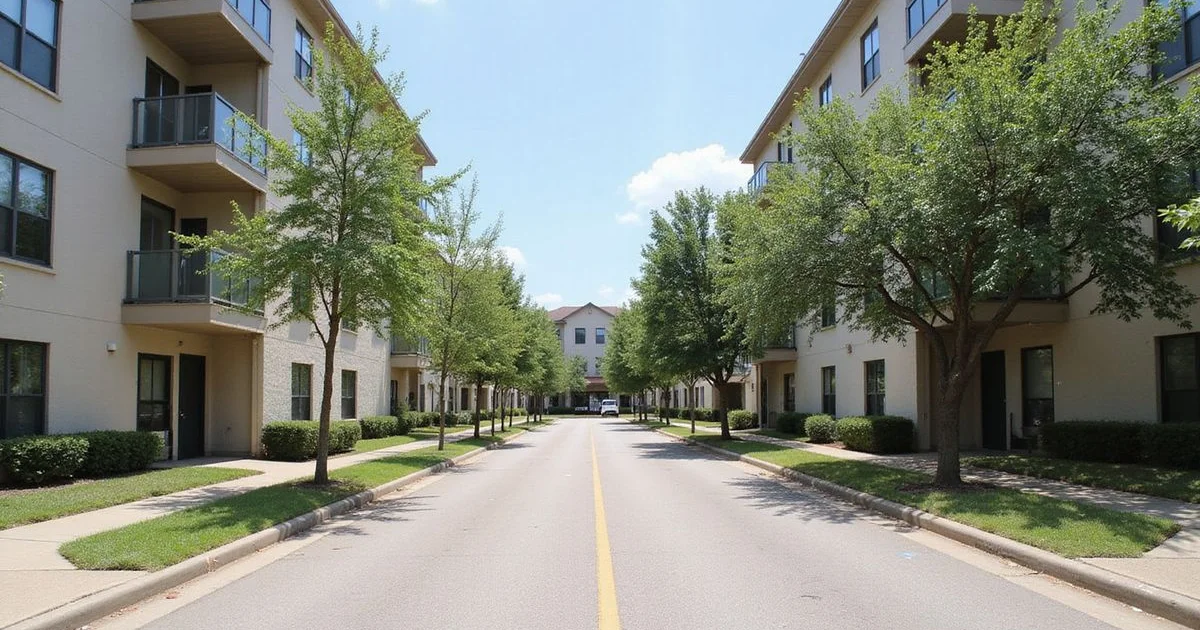
How does a building’s stage change the deal?
You’re choosing between a building that opened last month and one that’s been open a year. Both are new construction. The difference is where they sit in lease-up, and that changes the special, the unit choice and what’s finished. Every card on our lease-up apartments page shows its stage, so you can compare them side by side.
Here’s the general pattern:
| Newly opened | About a year in | |
|---|---|---|
| Typical special | Often deeper | Often smaller |
| Unit choice | Wide | Narrower |
| Amenities | May still be finishing | Usually finished |
| Construction nearby | More likely | Less likely on site |
| Reviews and history | Few | Some |
| First renewals | Not yet | Starting |
Every building sets its own special, so this is a pattern, not a rule. We confirm each one in writing.
Why newly opened often means a deeper special
A building that just opened is mostly empty. The owner needs to fill units and reach stabilized occupancy, and specials are the main tool. When several buildings in the same area open around the same time, specials tend to run deeper.
That’s why lease-up stage weighs 15 of 100 points in the Houston New Build Score. Earlier stages usually give you more room on price.
Why a year in can still be the better choice
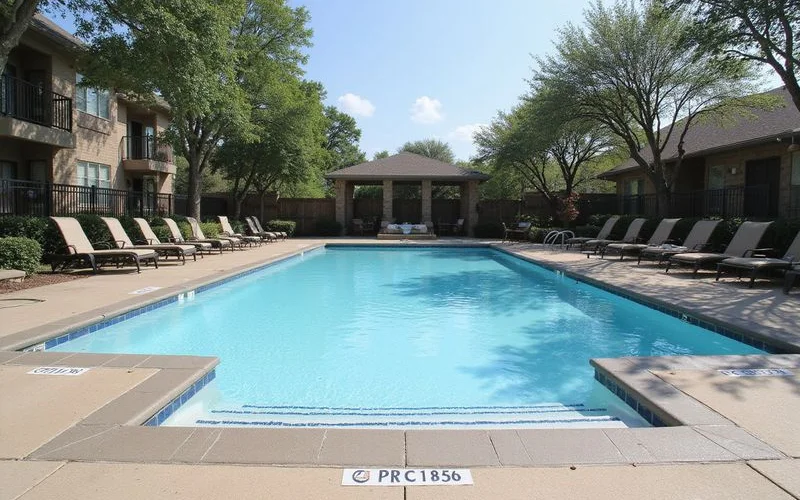
A building a year in has more finished. The pool is open, the gym is stocked, the landscaping has filled in, and the next phase may be done. You’ll also find more reviews and a clearer sense of how the office handles work orders.
The trade-off is choice. Popular floor plans may be gone, and the special may be smaller. If you need a specific layout, an earlier stage can be easier.
Both stages are on the board
We track ground-up buildings with first move-ins from 2024 to 2027, through pre-leasing, lease-up and the first 24 months. A building a year in is still new construction on our board.
How does year two compare?
Year two depends on the base rent and the special. A deeper special on a newly opened building can mean a bigger jump at renewal, because renewal starts from base. At the board’s median special, year two jumped about 18% (board math, Oct 25, 2026).
A building a year in with a smaller special may have a smaller jump. Compare both years before you choose.
A step-by-step way to choose
- List what you need finished. If a gym or garage matters, check the build-status chip.
- Compare net effective and true monthly. Use the same formula for both buildings.
- Check year two. A deeper special can mean a bigger renewal jump.
- Compare unit choice. Can you get the floor plan, floor and view you want?
- Look at history. A year in, there are more reviews and more track record.
If your lease ends a few months out, consider pre-leasing too. Our guide on whether to pre-lease or move now covers that choice.
A worked comparison
Here’s a hypothetical comparison of two new buildings near each other, both 12-month leases.
| Newly opened | A year in | |
|---|---|---|
| Base rent | $1,400 | $1,350 |
| Special | 8 weeks free | 2 weeks free |
| Net effective | about $1,185 | about $1,298 |
| Year two at 0% (rent only) | $1,400 | $1,350 |
| Jump at renewal | about $215 | about $52 |
The newly opened building is cheaper in year one. The building a year in is cheaper in year two and has a much smaller jump. Which is better depends on how long you’ll stay and what you need finished.
How do we help?
Send us your move date and the buildings you’re weighing. We’ll confirm the stage, build status and special at each one, show year one and year two side by side, and line up tours on one side of town, the same day during hours.