
Does renters insurance cover flooding in Texas?
You’re signing a lease and the community asks for proof of renters insurance. It’s natural to assume that covers everything. In most cases, it doesn’t cover flood. That’s worth knowing before you choose from our list of new apartments by flood zone, wherever the building sits on the map.
We’re not insurance agents and we don’t give insurance advice. Here are the facts, so you can ask the right questions.
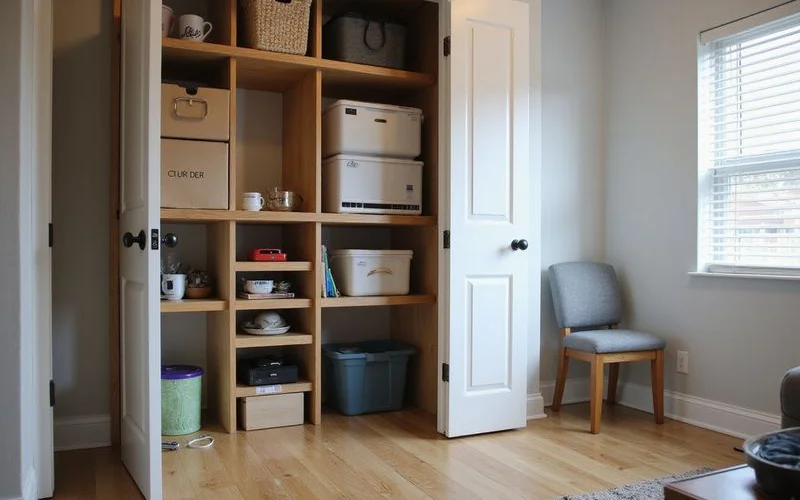
What a standard renters policy usually covers
A standard renters policy, sometimes called an HO-4, usually covers your belongings against things like fire, theft and some water damage, like a burst pipe. It often includes liability coverage and help with temporary housing if your unit becomes unlivable from a covered event.
What it usually excludes is flood, meaning rising water from outside, like a bayou overflow or heavy rain pooling at ground level.
| Type of water damage | Standard renters policy | Separate flood contents policy |
|---|---|---|
| Burst pipe inside the unit | Often covered | Not the main purpose |
| Overflowing appliance | Often covered | Not the main purpose |
| Rising water from outside | Usually excluded | Designed for this |
| Storm surge | Usually excluded | Designed for this |
Read your own policy’s terms. Coverage varies.
What is a flood contents policy?
Renters can buy a separate contents-only flood policy, through the National Flood Insurance Program (NFIP) or private insurers. It covers your belongings, not the building, because the landlord insures the structure.
A few facts to know:
- Waiting period. NFIP policies generally take effect 30 days after purchase, with a few exceptions. Don’t wait for a storm forecast.
- Zone matters for price, not eligibility. You can buy flood coverage in Zone X, shaded X or Zone AE.
- Ground floors and upper floors differ. Ask how the policy treats belongings in a second-floor unit versus a ground-floor one.
The landlord’s insurance isn’t yours
The community’s policy covers the building. Your furniture, clothes, electronics and car aren’t on it. Car flood damage usually falls under comprehensive auto coverage, which is separate again.
How does the Texas flood notice fit in?
Under Texas Property Code §92.0135, your landlord gives you a written notice at or before signing. It says whether the unit is in the 100-year floodplain and whether it flooded in the last five years. If the notice is missing and a flood destroys 50% or more of your belongings’ value, you may end the lease within 30 days.
That’s a lease right, not insurance. It doesn’t replace your belongings. Our guide on the §92.0135 notice explains it in full.
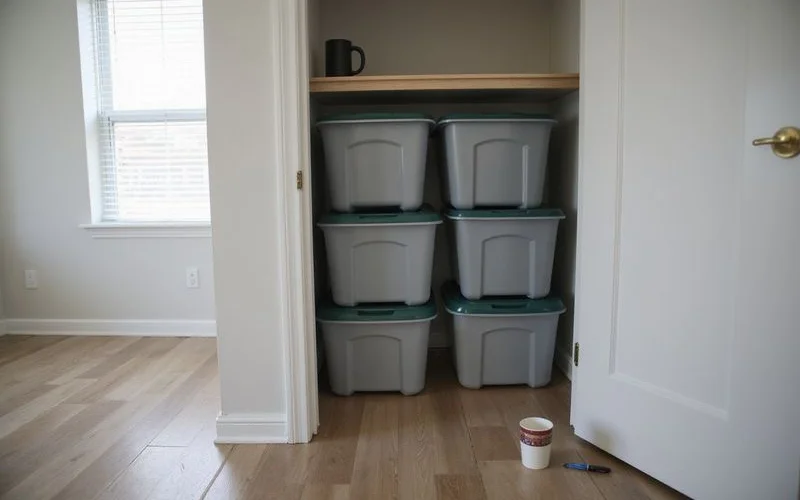
Practical steps renters often take
- Keep a phone video inventory of your belongings
- Store documents and valuables up high or in waterproof bins
- Know whether your unit is ground-floor or upper-floor
- Check the FEMA zone and the flood notice before you sign
Our guide on flood zones explains how to look up an address yourself.
Common questions about coverage, in plain terms
Does a second-floor unit need flood coverage? That’s your call. Upper-floor units are less exposed to rising water, but cars, storage units and ground-floor belongings can still be at risk. Ask an insurance agent how coverage works for your situation.
Is the community’s required insurance enough? Many communities require a minimum liability amount. That requirement doesn’t usually include flood. Check the policy you buy.
What about my car? Flood damage to a car is usually covered under comprehensive auto coverage, not renters or flood contents policies.
Questions to ask an insurance agent
- Does my renters policy exclude flood, and how does it define flood?
- What would a contents-only flood policy cost at this address?
- How long is the waiting period?
- How are belongings on the ground floor or in storage treated?
- Does the policy cover temporary housing if the unit is unlivable after a flood?
How do we help?
We pull the FEMA record and ask for the flood notice for every building on your shortlist. We don’t sell insurance or recommend policies. We give you the facts, with dates, so you can shop for coverage with the right information. Send us your move date and we’ll get started the same day during hours.